






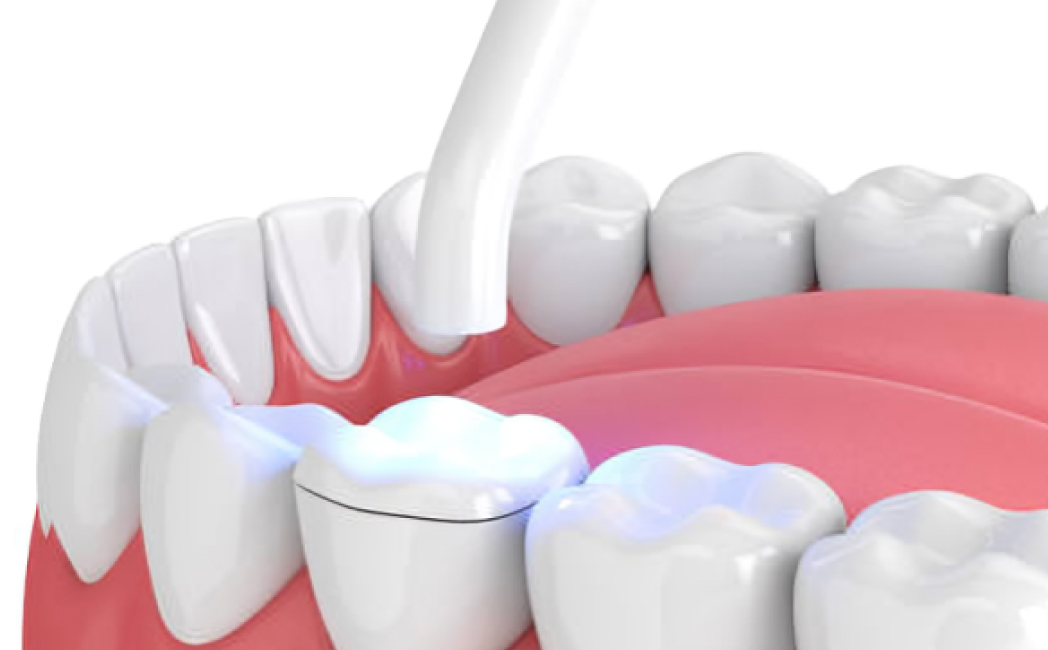
Bonding & White Fillings
Improving your smile doesn’t always require major treatment. Many small imperfections can be fixed quickly and comfortably. At Affordable Dental Care, patients often choose bonding and white filling treatments when they want repairs that blend seamlessly with natural teeth.
These options help restore confidence while keeping the tooth structure strong and healthy.
What Are Dental Bonding and White Fillings?
Dental bonding uses a tooth-colored resin that is shaped directly onto the tooth. It helps correct minor chips, small gaps, uneven edges, or spots of discoloration.
A white filling is similar in material but is used mainly to repair areas affected by decay. Instead of leaving dark metal in the tooth, the final result looks natural and smooth.
Because the materials match the surrounding enamel, both procedures help teeth look healthier without drawing attention.
When Are These Treatments Recommended?
Your dentist may suggest these treatments when you have:
- Small cavities
- Minor cosmetic imperfections
- Worn edges
- Slight alignment concerns
- Chips from biting something hard
- Older metal fillings that need replacement
For many patients, bond and white filling techniques offer an affordable, conservative solution that supports both function and appearance.
Benefits of Tooth-Coloured Fillings
Tooth-coloured options are widely preferred because they:
- Blend beautifully with natural teeth
- Do not show metal when you smile
- Require less removal of tooth structure
- Offer strong bonding strength
- Are quick to place
A white filling allows you to chew, speak, and smile without visible dental work, blending in seamlessly with your natural teeth.
The Bonding Procedure
A bond and white filling appointment is typically simple and efficient.
- Cleaning and Preparation
The tooth is gently cleaned and lightly etched for better adhesion. - Composite Application
A tooth-colored resin is placed in layers. - Shaping
The dentist carefully sculpts the material to match your tooth’s natural contour. - Curing
A special light hardens each layer. - Final Polish
The tooth is smoothed for a seamless finish.
Bonding is usually painless and does not require anesthesia unless decay is present.
Caring for Bonded Teeth
Bonded teeth are strong, but a few simple habits help them last longer:
- Brush twice daily with a soft toothbrush
- Avoid biting hard objects like ice or pens
- Reduce frequent staining foods and drinks
- Maintain routine checkups
- Use a nightguard if you grind your teeth
With proper care, your bond and white filling treatment stays attractive and functional for years.
Bonding & White Fillings
What Is Dental Bonding?
Dental bonding is a flexible cosmetic option that restores small flaws without major structural changes. Using tooth-colored resin, the dentist can enhance shape, size, and overall appearance. Because the material blends with the tooth, bonding offers a smooth and natural finish.
Advantages of Tooth-Colored Fillings
A white filling offers several benefits:
- Natural, tooth-like appearance
- Metal-free restoration
- Strong adhesion to tooth enamel
- Great for front and back teeth
- Minimal drilling required
These qualities make composite fillings a trusted choice for everyday dental repairs.
How the Procedure Works
Whether you are receiving bonding or a white filling, the procedure is comfortable and straightforward:
- The tooth is cleaned
- Decay, if present, is removed
- Composite is layered into the tooth
- Each layer is hardened with a curing light
- The surface is shaped and polished
The result feels natural and blends smoothly with surrounding teeth.
Who Is a Candidate for Bonding?
Bonding is a great option if you have:
- Small chips
- Slight discoloration
- Minor gaps between teeth
- Uneven or worn edges
- A desire to replace metal fillings
Many patients choose a bond and white filling approach to keep their smile consistent in color and shape.
Longevity and Aftercare
With good brushing habits and regular checkups, these restorations last for years. You can help extend their lifespan by:
- Avoiding excessive pressure on restored teeth
- Wearing a mouthguard if you play sports
- Limiting very sticky foods
- Scheduling routine cleanings
Healthy maintenance ensures your bonding and white filling treatment stays strong over time.
Dental Fillings
Types of Dental Fillings
Common filling materials include:
- Composite
- Amalgam
- Ceramic
- Glass ionomer
Most patients prefer tooth-colored options for their natural appearance.
Tooth-Colored Composite Fillings
Composite fillings blend with your enamel and bond securely to the tooth. This allows for a strong repair while preserving more natural structure.
Why Choose Composite Fillings?
Reasons patients choose composite restorations:
- Natural color
- Strong adhesion
- Metal-free option
- Suitable for front and back teeth
- Smooth finish
A white filling supports both aesthetics and function in the same appointment.
The Filling Procedure
The process includes:
- Local numbing if needed
- Removal of decay
- Placement of composite in layers
- Curing with a light
- Final shaping and polishing
The repaired tooth looks and feels comfortable right away.
Durability and Care Tips
To keep your fillings in good condition:
- Brush and floss daily
- Avoid chewing overly hard foods
- Visit for regular dental cleanings
- Watch for changes such as sensitivity
Proper care helps maintain the quality of your bond and white filling restoration.
Ready to improve your smile?
Affordable Dental Care is here to help with comfortable, natural-looking bond and white filling treatments.
Book your visit today and take the first simple step toward healthier, confident teeth.