

Odkryj sanctuary prawdziwej rozrywki hazardowej w Plinko, gdzie każdy detal został przemyślany aby stworzyć perfect harmony między excitement a security. Ciesz się unlimited access do premium game collection, wykorzystuj intelligent bonus optimization system oraz doświadczaj unprecedented level of customer care od dedicated support specialists.

Zanurz się w atmosphere luksusowego hazardu w Spinamba, ekskluzywnym destination dla distinguished players seeking extraordinary gaming adventures. Otrzymaj invitation do private gaming sessions, skorzystaj z bespoke bonus packages tailored do Twoich preferences oraz doświadcz white-glove service standardu na każdym etapie gaming journey.

Wkrocz do realm next-generation casino entertainment w HitnSpin, gdzie traditional gaming elements łączą się z futuristic innovations tworząc truly unique experience. Eksploruj games z augmented reality features, uczestnic w live tournaments z real-time streaming oraz wykorzystuj advanced AI assistants pomagających optymalizować gaming strategies.

Zostań członkiem sophisticated gaming fraternity w NV Casino, prestiżowej platformie gdzie intellectual challenge spotyka się z pure entertainment creating perfect synergy. Rozwijaj expertise poprzez access do exclusive educational content, uczestnic w thought-leadership forums z industry veterans oraz enjoy preferential treatment w ramach tiered membership program.

All Posts in Category: Blog

Dental Implants in Lilburn

Missing Teeth? Affordable Bridges for Teeth Can Save Your Smile Fast

Missing a tooth does a lot more than just change how you look in the mirror. By choosing affordable bridges for teeth, you may help maintain proper alignment of surrounding teeth. At Affordable Dental Care in Lilburn, GA, we provide cost-conscious options tailored to each patient’s needs.Whether you have one gap or a few spaces in a row, a dental bridge is a common restoration used to replace missing teeth. It’s a prosthetic that stays in your mouth permanently, designed to closely resemble natural teeth in appearance and function.

What Exactly Is a Dental Bridge?

A dental bridge is a custom-made restoration designed to replace missing teeth and fit comfortably in your mouth. In a basic setup, we use the healthy teeth on either side of a gap as anchors. We place crowns on those anchor teeth, and suspended between them is a solid, artificial tooth (called a pontic) that fills the hole.

A dental bridge can provide functional benefits, such as potentially improving chewing, speech, and appearance. When you lose a tooth, the bone underneath can start to weaken, and the surrounding teeth often start to tilt or “drift” into the open space. This can ruin your bite and lead to jaw pain or even more tooth loss later on.

By choosing affordable bridges for teeth, you may help maintain proper spacing of adjacent teeth.

Finding the Right Fit for Your Budget

One reason people get overwhelmed is that they think there’s only one expensive option. That’s not true. Depending on your specific needs, there are several ways to build a bridge:

  • Traditional Bridges: These are the “gold standard.” They are quite durable and usually made from porcelain fused to a metal base. They’re great for back teeth that have to do a lot of heavy chewing.
  • Maryland Bridges: If you’re missing a front tooth, this can be a practical, budget-conscious option. Rather than placing crowns on the adjacent teeth, small “wings” are gently bonded to the back of your existing teeth. This approach is less invasive and may be more affordable.
  • Cantilever Bridges: Sometimes you only have a healthy tooth on one side of the gap. This design anchors to just that one side. While not as common for back molars, it’s a smart solution for specific areas of the mouth.
  • Implant-Supported Bridges: If you’re missing three or four teeth in a row, we can use two dental implants to hold a long bridge. While the upfront cost is higher, it’s often cheaper than replacing every single tooth with an individual implant.

Why Bridges Can Be a Cost-Effective Option

When considering the different ways to replace a tooth, affordable bridges for teeth can offer a cost-effective option for many patients. Bridges are designed to remain securely in place, while removable options can sometimes shift depending on fit.

And unlike implants, which can take six months of healing and multiple surgeries, many bridges can be completed in two to three visits, though the timeline varies based on the complexity of each case and individual needs.

What Goes Into the Final Cost?

We like to be transparent about pricing. The total cost of your bridge usually depends on three things: the material used (like zirconia vs. porcelain), how many teeth we are replacing, and the health of the anchor teeth.

If your anchor teeth need a little extra work to get them ready for crowns, that can shift the price. However, at Affordable Dental Care, we work with you to find a material and a plan that fits your specific monthly budget.

Some insurance providers may cover a portion of dental bridge costs, but coverage depends on the patient’s plan and eligibility.

How to Make Your Investment Last

A dental bridge may last 10 to 15 years or longer, depending on oral hygiene, checkups, and individual dental health. Maintaining a bridge mainly involves keeping the anchor teeth healthy through proper oral care. If the teeth holding the bridge up get a cavity or gum disease, the whole bridge is at risk.

We recommend brushing twice a day and using a simple floss threader once a day to help maintain the bridge and protect against potential issues.

Final Thoughts

We strive to help patients explore options that can fit their budget while meeting their oral health needs. Affordable bridges for teeth may help patients regain confidence in their smile and support more comfortable daily activities.

We’ll help you explore how a dental bridge might restore your smile in a way that works for your individual needs and budget.
Read More
The Artistic Dentistry Advantage

Could The Artistic Dentistry Advantage Change How You Think About Dental Care?

Taking care of your teeth often feels like a constant worry about what the next bill or procedure might be. Many people worry that a dental visit may lead to complicated or costly procedures they weren’t expecting. But honestly, the best dentistry isn’t about doing the most work—it’s about doing the right work. This is where the artistic dentistry advantage begins to make a difference. It’s a way of looking at your teeth with a focus on planning and precision, helping reduce unnecessary stress or costs.At Affordable Dental Care, we believe practical dentistry is about long-term results. When you focus on the small details early, you’ll find that keeping your smile in good shape is much easier than you probably expected.

The Artistic Dentistry Advantage

Top-rated dentist near me for expert dental care and a healthy smile.

Why Practical Care Matters

Your oral health affects your whole day, from how you eat to how you feel when you’re talking to people. If you ignore a small issue, it rarely stays small for long. Even a small cavity may develop into a more serious problem if it’s not addressed. Practical care is about addressing minor issues early, before they become more serious.

  • Catching things early: Treating a cavity before it needs a crown.
  • Gum health: Supporting gum health and helping reduce the risk of long-term gum disease.
  • Fewer emergencies: Reducing the likelihood of sudden or painful dental issues.
  • Keeping your own teeth: Protecting your natural smile for as long as possible.

Prevention is the Real Foundation

The best tool in any dental office isn’t actually a drill—it’s prevention. If you can reduce the chance of problems before they start, you’re already ahead. Routine checkups and simple habits at home are what make the artistic dentistry advantage work.

Simple habits like professional cleanings and daily flossing help remove plaque buildup, which is a common contributor to tooth decay and gum problems. When you combine that with a balanced diet, you’re helping support stronger enamel and better protection against decay.

Planning Your Treatment the Right Way

A big part of responsible dentistry is knowing when to act and when to just keep an eye on things. Instead of rushing into something complex, we look at the big picture. We create a plan that handles what’s urgent first.

  • Fixing what’s urgent: Dealing with anything that’s hurting or at risk.
  • Conservative choices: Picking the simplest fix that actually solves the problem.
  • Monitoring: Watching small spots that might not need work yet.
  • Spacing things out: Working through a plan at a pace that fits your life and your budget.

Understanding the Artistic Dentistry Advantage

Dentistry blends scientific knowledge with thoughtful decision-making to care for your teeth. The artistic dentistry advantage is a philosophy that cares about how a repair feels, functions, and looks in your mouth. It isn’t about quick fixes that might not hold up well over time; it’s about choosing solutions designed for durability and a realistic appearance.

This means saving as much of your natural tooth as we can and paying close attention to proper bite balance. When treatment is planned with attention to detail, it can support longer-lasting comfort and function.

Clear Talk and Confident Choices

Our goal is to make sure you understand every step of your dental care. Clear communication is an important part of practical care. When you understand what’s going on, you can make a decision without feeling like you’re being pressured.

We make sure to talk about:

  • Your current health: Exactly what we see during the checkup.
  • Your options: The different ways to fix a problem, including the pros and cons.
  • Timelines: How long things will take and what the recovery is like.
  • Prevention: What you can do at home so the problem doesn’t come back.

Long-Term Health is the Real Goal

At the end of the day, the artistic dentistry advantage is all about stability. The most budget-friendly choice today isn’t always the best for your teeth in the long run; treatments that help maintain tooth health over time are often the smarter option. Fixing a cavity while it’s small or repairing a chip early can help protect your oral health and reduce the likelihood of more complex treatment later.

By focusing on precision and natural results, we help you maintain a smile that functions comfortably and reliably. At Affordable Dental Care in Lilburn, GA, we’re committed to this balanced approach so you can feel confident about your dental journey.

Read More
Tooth Extraction Near Me

What is a Tooth Extraction? Expert Advice from Affordable Dental Care

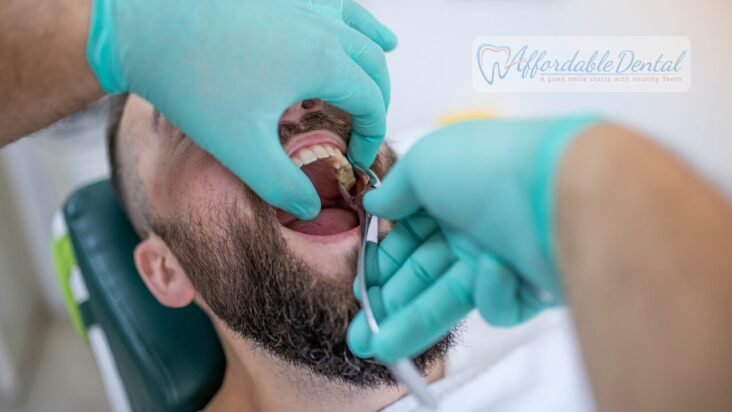
If the thought of sitting in a dentist’s chair makes your stomach do flips, asking what is a tooth extraction? is a great way to start taking control of your health. Put simply, an extraction is just the professional removal of a tooth from its place in the jawbone.Wisdom Tooth Extraction Lilburn | Affordable Dental Care

Modern dentistry has made tooth extractions generally more manageable and comfortable for many patients, though some may still experience mild discomfort. In many cases, removing a problematic tooth can help alleviate discomfort and prevent further dental issues.

Why Do Teeth Actually Need to Come Out?

We always prefer to save your natural teeth with fillings or crowns, but sometimes a tooth becomes more of a liability than an asset.

Here are some reasons why we might suggest an extraction:

  • Severe Tooth Decay: If a cavity has eaten away so much of the tooth that there isn’t enough structure left to hold a crown, the tooth is no longer functional. Removing it stops the rot from spreading to your healthy teeth.
  • Making Some Elbow Room: If you are getting braces, your mouth might be too crowded for everything to sit straight. Removing a tooth may provide extra space, which can help your orthodontist straighten your teeth more effectively.
  • Gum Disease Issues: Advanced gum disease (periodontitis) destroys the bone and ligaments that act as the “anchor” for your teeth. If the anchor is gone, the tooth becomes loose and potentially infected.
  • The Vertical Crack: Biting something hard can sometimes cause a tooth to split down into the root. In these cases, the tooth often cannot be repaired and may need to be removed.

Preparing for Your Appointment

Preparation is key to a smooth extraction. We review your medical history in detail and take digital X-rays to understand your tooth roots, which can differ in shape and complexity.

Keeping You Comfortable: Numbing and Sedation

We prioritize patient comfort and use various anesthesia and sedation methods to minimize discomfort during the procedure.

  • Local Anesthesia: We numb the area with a local anesthetic so you may feel some pressure or movement, but minimal discomfort during the procedure.
  • Sedation Dentistry: For our extra-anxious patients, we offer oral or IV sedation, which can help you feel relaxed and drowsy depending on your needs.
  • General Anesthesia: Used mostly for complex jaw surgeries where general anesthesia may be recommended.

The Walkthrough: What Happens During the Procedure?

If you’re wondering exactly what is a tooth extraction? in terms of the actual minutes in the chair, here is the breakdown:

  • Numbing the Area: We start with the anesthetic. We wait a few minutes and then test the area to make sure you’re numb.
  • Loosening the Tooth: We use a tool called an elevator to gently wiggle the tooth. This widens the socket so the tooth can slide out easily.
  • The Extraction: Using specialized dental forceps, we carefully remove the tooth out. If it’s an impacted tooth, we may need to remove a small portion of bone or section the tooth to facilitate removal.
  • Bone Grafting (Optional):strong> If you want a dental implant later, we can place a bone graft right then. It acts like a “placeholder” to keep your jawbone from shrinking.
  • Gauze and Pressure: We clean the area and have you bite down on gauze to start the clotting process.

Aftercare Instructions

How you care for your mouth during the first 24 hours can affect your healing. The main goal is to protect the blood clot that forms in the socket.

  • Don’t use straws: The suction can “pop” the clot out.
  • Don’t smoke or spit: Changes in pressure in your mouth can interfere with healing, so it’s best to avoid these activities.
  • Do use ice: Apply ice in 10-minute intervals to help reduce swelling.
  • Do eat soft: Think lukewarm soup, mashed potatoes, and yogurt. Avoid anything with tiny seeds or sharp edges (like chips).

Watch Out for “Dry Socket”

While rare, dry socket is a possible complication. If you notice unusual pain a few days after the extraction, it could indicate a complication called dry socket. Contact your dentist promptly—treatment can help relieve discomfort and support healing.

Getting an extraction can, in many cases, help relieve pain associated with a problematic tooth. If you’re still wondering what is a tooth extraction?, our team at Affordable Dental Care in Lilburn can guide you through the process with care and attention.

Read More
The Artistic Dentistry Advantage

Family Dental Care Made Simple with a Trusted Lilburn GA Dentist

Maintaining a bright, healthy smile should be accessible for everyone. For many families around Lilburn, finding a reliable Lilburn GA dentist who provides quality care at a fair price can sometimes feel challenging. At Affordable Dental Care, we’ve built our practice around the idea that everyone deserves a dentist who listens, cares, and helps them stay within their budget.

Choosing a dental home is about more than just the cost. It’s about walking into a practice where the team strives to make patients feel cared for and supported.

From the moment you check in to when you leave, we aim to make visits simple, clear, and mindful of costs.

What Does Comprehensive Care Really Look Like?

We don’t just ‘fix teeth.’ We take a broader view of your oral health. This helps us catch potential issues before they become bigger problems. A great Lilburn GA dentist works to identify potential issues early, which may help reduce the need for more complex treatments in the future.

  • Preventive Care: Preventive care is a key way to help manage dental costs over time. Keeping up with oral exams, cleanings, and X-rays is one of the most effective ways to stay on top of your oral health.
  • Restorative Work: Even with careful care, teeth may become worn or damaged over time. We offer fillings, crowns, and bridges that look natural and hold up over time. We use the latest techniques so these fixes are designed to be efficient and comfortable.
  • Cosmetic Upgrades: A whiter smile may improve your appearance and confidence. We offer whitening, veneers, and bonding at accessible prices.
  • Emergency Visits: Dental pain can occur anytime. If you experience a sudden toothache or a broken tooth, our team works to schedule prompt care and address the problem efficiently.
  • Honest Advice: Our team shows you the best ways to brush and floss at home because early care can help avoid more extensive treatments later, potentially keeping costs lower.

Care for the Whole Family

One of the biggest headaches for parents is driving all over town to different specialists. We’ve designed our Lilburn office to be a one-stop shop for everyone, from toddlers to grandparents.

For Kids

We know the dentist can be scary for little ones. Our pediatric approach is all about being gentle, fun, and educational. We want your child’s first experience to be a good one so they grow up with healthy habits and help reduce dental anxiety in children and make visits more comfortable.

For Adults and Seniors

As we get older, our dental needs shift. Whether it’s managing gum health, looking into dental implants, or getting a set of dentures that actually fit comfortably, we tailor our plans to your specific stage of life.

Simple Ways to Save on Your Smile

  • Routine Cleanings Matter: Regular six-month cleanings are one of the most effective ways to maintain oral health and potentially reduce the risk of more costly treatments.
  • Ask About Payment Plans: We can work with you on payment plans and financing options to make larger treatments easier to manage.
  • Use Your Insurance: Many plans cover routine cleanings, often at low or no cost, depending on your coverage. If you don’t have insurance, ask us about our in-office savings options.
  • Prioritize: If you have a few treatments to consider, we can guide you on prioritizing them and exploring options to make scheduling and costs more manageable.

Why Lilburn Families Trust Us

When looking for a Lilburn GA dentist, many patients value a team with a track record of positive experiences and modern technology that helps visits run smoothly. Our team is committed to using the right tools and skilled staff to support your care.

Partnering with a dentist who values your time and budget can help you maintain healthy teeth with greater peace of mind.

Read More
Dental Implants in Lilburn

All-in-One Dental Implants: A Smarter Way to Restore Your Smile

Missing teeth can change more than just the way you look in the mirror. They can alter how you eat, how clearly you speak, and how you feel when meeting new people. For those who want a modern and simplified path to a full smile, all-in-one dental implants have emerged as a popular option.Dental Implants

At Affordable Dental Care, we focus on providing this practical solution to help you regain your function and confidence without making the process overly complicated. 

Instead of stretching out your care over many different procedures and long, drawn-out waiting months, all-in-one dental implant care brings the essential steps together into one cohesive plan.

Understanding the All-in-One Concept

So, what are all-in-one dental implants? In short, it is a treatment method designed to replace missing teeth using a simplified, integrated approach. In the past, dental implants were often done in disconnected stages that could feel like they took forever. 

This modern method brings the planning, the placement of the implant, and the final restoration together. In many situations, eligible patients may receive implant placement along with a temporary restoration sooner than with traditional treatment timelines.

This approach can be especially helpful for people with busy schedules who still want carefully planned, professional dental care.

How the Journey Unfolds

While your specific plan will be tailored to your mouth, the process generally follows a very logical path. It starts with a thorough exam and high-quality digital imaging so the team can see exactly where the bone is strongest. Next, we plan the exact position of the implant to ensure your bite is perfectly aligned.

In some cases, a temporary tooth may be placed right away, helping you maintain the appearance of your smile during healing.

Once the healing is finished, we place your permanent, high-strength restoration. By coordinating these steps from day one, the entire experience becomes much more predictable.

Why Patients Love This Approach

Choosing all-in-one dental implants comes with several big perks, especially if you value your time as much as your health.

Treatment is Streamlined: Fewer stages mean fewer trips to the office. You don’t have to keep taking time off work for multiple follow-up surgeries.

Better Comfort: Because we use modern digital planning, the placement is precise. This can help minimize tissue disruption and support a smoother recovery experience for many patients.

Immediate Function: Many patients are able to return to normal speaking and modified eating habits sooner, based on their treatment plan.

A Natural Look: We custom-design the replacement teeth to match the color and shape of your existing teeth. No one will even know you have an implant. 

Durability: These aren’t temporary fixes. With proper care and regular dental visits, implants are designed to provide long-term stability.

Are You a Candidate?

Most people who are missing one or more teeth are good candidates for all-in-one dental implants. This is especially true if you are looking for a fixed solution—meaning something that doesn’t come in and out like a denture.

You’ll need a healthy amount of bone to support the implant, but even if you’ve had some bone loss, we can often provide preparatory care to get you ready. 

A quick consultation at Affordable Dental Care is the best way to see if this fits your specific health goals.

All-in-One vs. Traditional Methods

Traditional implants are great, but they often involve a “wait and see” period that can last six months or more between steps. While that works for some, the all-in-one dental implants approach is built for coordination. 

It bridges the gap between the surgical side and the cosmetic side of dentistry. It’s a common choice for patients who want efficiency and want to know exactly when their treatment will be finished.

Life After the Procedure

Recovery experiences vary, but many patients report manageable discomfort during the healing period. You might have some minor swelling for a few days, but many people return to their normal routine within a short period of time.

Caring for your new teeth is simple: you brush and floss just like you do with your natural teeth. Regular checkups will keep the implant stable and healthy for years to come.

At Affordable Dental Care in Lilburn, we believe in clear talk and patient-centered treatment. We want to replace your missing teeth while removing the stress and confusion that usually comes with dental surgery. If you’d like to learn whether all-in-one dental implants are right for you, we are here to help you move forward with total confidence.

Read More
What Is Root Canal

What Is a Root Canal? Expert Advice from Affordable Dental Care

Tooth pain is more than just a nuisance; it’s a distraction that makes it hard to focus on your day. When that ache doesn’t go away, you might start hearing the term “root canal” mentioned. If you’ve ever found yourself wondering, what is a root canal, you aren’t alone. It is one of the most common dental procedures, yet it is also one of the most misunderstood.

At Affordable Dental Care, we see many patients in Lilburn, GA, who feel anxious simply because they don’t know what to expect. The truth is, a root canal is a procedure designed to stop pain, not cause it. It’s a treatment that can often help preserve a tooth that might otherwise need extraction.

What Happens During Root Canal Treatment?

To understand what is a root canal, you have to look past the hard white enamel. Inside every tooth is a hollow area filled with “pulp.” This is a mix of nerves and blood vessels that help the tooth grow when you are young.

As an adult, your tooth can survive without this pulp. However, if that tissue gets infected—due to a deep cavity, a crack, or an injury—pressure builds up inside the tooth. 

This is usually what causes that throbbing, persistent ache. During the treatment, a dentist will:

Examine & X-ray: We check the roots and the bone to see the extent of the infection.

Numbing: We use local anaesthesia so you stay comfortable.

Removal: The damaged or infected pulp is carefully taken out.

Cleaning: The inner canals are disinfected and cleared of bacteria.

Sealing: The space is filled and sealed to prevent new infections.

In most cases, the goal is to keep your natural tooth in place rather than replacing it with an implant.

Is a Root Canal Painful?

This is easily the biggest myth in dentistry. Thanks to modern tools and better numbing techniques, the experience is actually very similar to getting a deep filling.

The “pain” people associate with root canals is almost always the pain they felt before they saw the dentist. Once the procedure begins, many patients notice a reduction in pressure and discomfort, though some soreness may persist.

You might have some mild tenderness for a day or two afterward as the area heals, but the sharp, stabbing infection pain will be gone.

How Do You Know If You Need a Root Canal?

Not every toothache requires this treatment, but your body usually gives you a few “warning lights” when something is wrong deep inside.

You should talk to a dentist if you notice:

Lingering Sensitivity: Pain from hot or cold food that lasts long after you’ve finished eating.

Gum Swelling: A small bump on the gums that looks like a pimple or feels tender.

Darkening: A tooth that starts to look gray or dark compared to the others.

Pain While Biting: A sharp pain whenever you put pressure on the tooth or try to chew.

At Affordable Dental Care, we use thorough exams to ensure a root canal is suggested only when it’s truly the best way to save your tooth.

How Long Does it Take to Recover From a Root Canal?

Recovery is generally straightforward, though some tenderness or sensitivity may last a few days.

To help things heal:

  • Avoid chewing on the treated side for a day or two.
  • Stick to soft foods like yogurt or soup until the tenderness fades.
  • Keep up with your regular brushing and flossing.
  • Most teeth will eventually need a crown to restore their full strength.

How Much Does a Root Canal Cost?

The cost depends on a few things: which tooth is affected (molars have more canals than front teeth), how bad the infection is, and whether you need a crown. 

Every case is a bit different, so it’s best to get an estimate after an exam. Costs vary based on tooth, complexity, and whether a crown is needed. We provide estimates after a full exam.

A Calm, Informed Approach: 

When you ask what is a root canal, you are really asking if you can get back to a life without tooth pain. In many cases, root canal treatment helps protect your natural tooth and maintain your smile.

At Affordable Dental Care in Lilburn, GA, we focus on your comfort and clear communication. Schedule a consultation today to protect your natural smile and relieve tooth pain.

Read More
Root Canal Treatment

No More Tooth Pain: Root Canal Treatment Explained for 2026

Tooth pain that lingers or gets worse over time usually points to a deeper problem that won’t just fix itself. When an infection hits the inner part of a tooth, root canal treatment is often the best way to solve the issue while saving your natural tooth. Even though the name can sound scary, the goal of the procedure is to help relieve discomfort, address infection, and support long-term oral health.

At Affordable Dental Care, we often meet patients in Lilburn, GA, who feel anxious because they aren’t sure what to expect. Breaking down each stage helps remove that fear of the unknown, allowing you to walk into the office with confidence.

Overview of Root Canal Treatment

There is a lot more to your tooth than the white surface you see. Under the hard enamel and the dentin layer lies a soft tissue called pulp. This pulp is full of nerves and blood vessels that help the tooth grow while you are young.

When this pulp becomes infected or swollen, pressure builds up inside the tooth walls. This is what leads to that throbbing pain, sensitivity, or swelling in your gums. Root canal procedures are designed to take out that infected tissue, scrub the inside of the tooth clean, and seal it up tight. 

Instead of pulling the tooth out, this method lets you keep your natural bite and chewing power.

Why You May Need a Root Canal

Not every toothache means you need this specific procedure, but certain signs make it likely. 

Common reasons we see include:

  • Deep cavities that have finally reached the pulp
  • Cracks or fractures that let bacteria sneak inside
  • Having several dental procedures on the same tooth over time
  • Trauma from an injury, even if you can’t see any visible damage

Symptoms are different for everyone. Some people have constant, sharp pain, while others just notice lingering sensitivity to heat. In some cases, there is no pain at all, which is exactly why regular dental exams are so important.

Getting Started on Root Canal Treatment

The process starts with a careful look at the tooth. At Affordable Dental Care, this involves:

  1. A physical clinical exam
  2. Digital X-rays to see the root structure and the bone
  3. A clear talk about what we found and your options

We use local anesthesia to make sure the entire area is numb and comfortable. Most of our patients tell us the experience feels about the same as getting a large filling. 

Once you are numb, the dentist makes a tiny opening in the tooth to reach the infected area.

Clearing Up Root Canal Infection

Once we have access, the damaged or infected pulp is carefully removed. This is the most important step for helping control the infection and reducing pressure inside the tooth.

The tiny canals are then cleaned and shaped with precise instruments. This makes sure all the bacteria and debris are gone while we get the space ready for sealing. 

This phase focuses on removing infected tissue and preparing the tooth for proper sealing.

Filling the Root Canals

Now that the canals are clean, they can’t be left empty. They have to be filled to keep the tooth strong and prevent a new infection from starting. We use a rubber-like, biocompatible material to seal the entire space.

This step stabilizes the tooth from the inside and helps restore its strength. Without a proper filling, bacteria could easily get back in and cause more trouble later. At this stage, the tooth is safe, but it’s still a bit fragile for heavy daily use.

Final Stage of a Root Canal

After the inside is fixed, we focus on the outside. In many cases, we recommend a crown to protect the treated tooth from cracking or wearing down.

Crowns are especially important for molars, which handle most of the pressure when you chew. Your dentist will explain if a crown is necessary based on the condition of the tooth and where it sits in your mouth. 

This final step helps the tooth work like normal again.

After Your Root Canal

Recovery is usually manageable for most patients, though you might feel some mild tenderness for a few days. Many patients are able to return to their normal routine within a short period of time.

Helpful aftercare tips:

  • Don’t chew on the treated side until the dentist says it’s okay
  • Stick to softer foods for the first day or two
  • Keep up with your regular brushing and flossing
  • Take any recommended medications as directed

A Thoughtful, Tooth-Saving Option

For many patients, root canal treatment is an effective option for managing infection while keeping their real tooth in place. It focuses on fixing the actual problem rather than just hiding the symptoms.At Affordable Dental Care in Lilburn, GA, we focus on clear talk and patient comfort at every stage. If a toothache is affecting your life, a professional check-up is the best way to figure out the right next step.

Read More
Pros and Cons

Pros and Cons of Activated Charcoal for Teeth Whitening Explained

The internet is flooded with DIY smile hacks, and activated charcoal remains one of the most debated trends. If you have wondered whether it is worth the hype, understanding the pros and cons of activated charcoal for teeth whitening is essential before you dip a brush into that black powder. 

At Affordable Dental Care, we often see patients who are curious about natural options but are rightfully concerned about whether these methods actually protect their long-term oral health. While a charcoal-covered smile makes for a viral social media post, the reality of how it may affect enamel can be more complex than it appears online. 

Charcoal might look like a simple, budget-friendly fix, but not every whitening trend is safe for every mouth. In this guide, we will look at how this material works, where it might help, and the risks you should weigh before trying it at home.

What is Activated Charcoal?

Activated charcoal is a fine powder created by heating carbon-rich materials, like coconut shells or wood, at extremely high temperatures. This “activation” process changes the internal structure, creating millions of tiny pores. 

In the world of dentistry, it is usually added to toothpaste or sold as a loose powder with the promise of “lifting” stains away. The theory behind it is called adsorption. The idea is that the porous charcoal acts like a magnet, binding to surface stains from coffee, tea, or wine and pulling them off the tooth. 

However, it is important to note that charcoal does not actually “bleach” the teeth. It is a mechanical abrasive, meaning it works as a mechanical abrasive rather than a chemical whitener.

Evaluating the Pros and Cons of Activated Charcoal for Teeth Whitening

There are a few reasons why people find this option attractive. It is cheap, easy to find in almost any drugstore, and offers an alternative for those who want to avoid the peroxide used in traditional strips. 

Some people do see a slight improvement in surface brightness because the gritty texture physically scrubs away the “film” that builds up on teeth from daily eating and drinking.

However, the “cons” list is where things get serious. When looking at the pros and cons of activated charcoal for teeth whitening, one of the main concerns dental professionals often raise is enamel erosion. 

Unlike your skin or hair, enamel does not grow back once it is worn away. Because charcoal is so abrasive, frequent or aggressive use may contribute to enamel wear over time.

This may lead to teeth appearing darker over time and becoming more sensitive for some people.

Is it Safe for Your Teeth?

Activated charcoal is not a “one size fits all” product. If you already have thin enamel, receding gums, or sensitive teeth, the gritty texture can be quite painful. There is also the issue of “black gums.” The fine powder can get trapped in the tiny crevices around your gumline or under dental work like crowns and veneers. 

Once it settles there, it can be very difficult to clean out, sometimes leaving a gray or black tint along the edges of your teeth.

If you are determined to try it, many dental professionals recommend limiting use to occasional intervals, such as once a week or less.

This limits the “sandpaper effect” on your enamel while still allowing for some surface cleaning.

Professional Care vs. Charcoal Trends

The main difference between a DIY charcoal scrub and professional whitening is how they handle the tooth. Charcoal only addresses the very surface. It cannot reach the deeper stains that settle inside the tooth over time. 

Professional treatments use controlled, dentist-supervised agents designed to penetrate the enamel without abrasive scrubbing.

For many people, the risk of permanent enamel damage simply isn’t worth the minor, temporary brightness that charcoal provides. If your goal is a significant change in the color of your smile, a supervised treatment is often considered a safer and more effective option when supervised by a dental professional.

Simple Tips for a Brighter Smile

If you want to keep your teeth white without risking your enamel, there are easier ways to do it. Rinsing your mouth with water after drinking coffee or tea helps prevent stains from setting. 

Brushing twice a day with a standard fluoride toothpaste provides the necessary cleaning without the harsh abrasives. And, of course, regular professional cleanings are the only way to remove hardened plaque and tartar that no amount of charcoal can touch.

A Balanced Approach

Making an informed choice means looking past the “natural” label and seeing the pros and cons of activated charcoal for teeth whitening for what they really are. While it might work for a quick surface clean for some, it carries a real risk of long-term damage if used incorrectly.

At Affordable Dental Care in Lilburn, GA, we want you to have a smile that is both bright and healthy. If you’re unsure whether a trend you saw online is right for you, the best move is to check with a professional who knows your specific dental history.

Read More
Dental crown fell out

Dental Crown Fell Out? Advice from the Best Dental Clinic in Lilburn

Losing a dental crown can be quite unsettling, especially if it happens while eating or brushing. The good news is that this situation is more common than many people realize. And with the proper care, this can be rectified within a short period of time. At Affordable Dental Care, the best dental clinic in Lilburn, we assist patients in dental emergencies such as a fallen crown on a regular basis. 

This may happen due to chewing hard foods or natural wear over time. Our specialists will make sure that your smile is rebuilt in a safe and comfortable manner and at a reasonable cost. Has your crown come loose or fallen out? Here’s what to know before your visit to Lilburn’s trusted dental clinic for professional care.

What is a Dental Crown and its Significance?

A dental crown is a protective cap placed over a tooth to strengthen it, prevent further damage, and improve its look. Dentists usually suggest crowns for teeth that have undergone root canal treatment, have large fillings, or are cracked or fragile.

Nevertheless, even the strongest crown may loosen or fall out due to wear, decay, biting into something hard. Knowing the reason why it occurs makes you act on time and prevent additional complications.

Common Causes of a Dental Crown Falling Out

There are various reasons that can make your crown loosen or strip away and they include:

  • Tooth damage caused by a worn or weakened bond.
  • Consuming sticky or hard food that dislodges the crown.
  • Old or worn out dental cement becoming loose.
  • Alterations in bite changes or gum recession.
  • Either accidentally or by teeth grinding at night.

Whatever the cause is, it is better to act promptly to save the exposed tooth against pain and infection.

What to Do If You Lose a Dental crown

In case your crown is lost, remain calm and do the following steps before you can visit a dentist:

  • Remove the crown carefully and place it somewhere safe so you don’t swallow or damage it.
  • Wash your mouth with warm salty water to keep it clean.
  • It is advisable to avoid chewing on the affected part to avoid more damage.
  • Check the crown and tooth- do not push it back forcefully when there is visible damage.
  • Professional reattaching or replacement must be done, call your dentist.

Temporary Solutions For Relief You Can Do At Home 

In case you are not able to go to a dentist immediately you may apply some dental cement and place the crown temporarily with precision and extra care.

Do not apply glue or house adhesives – it will damage your tooth and will make it hard to treat. Wipe the crown and take it with you to the dentist.

Here’s Why You Should See the Best Dental Clinic in Lilburn Without Delay

Failure to treat on time may result in sensitivity of the teeth, infection, or even structural damage. By going to the best dental clinic in Lilburn, you can rest assured that your tooth will be checked, cleaned and repaired safely.

Our experienced dentists will assess whether your crown can be reattached or if a replacement is necessary. We also offer same-day and emergency appointments to ease your discomfort and safeguard your tooth promptly.

What to Expect on Your Visit to the Dentist

On visiting our clinic, your dentist will:

  1. Examine the Crown and Underlying Tooth
    Carefully observe the crown and the tooth beneath it to gauge its condition.
  1. Clean and Decontaminate the Area
    Wash and disinfect the affected place to prevent infection.
  1. Re-cement or Replace the Crown
    If the crown is intact, it can be re-cemented. If damaged, a new crown will be made.
  1. Ensure Comfort and Proper Bite
    Check that your bite and crown position are comfortable and properly aligned.

Preventing Future Problems with Dental Crowns

  • Brush and floss along the crown gently every day.
  • Chewing hard food such as ice or nuts should be avoided.
  • See your dentist regularly to check up and keep up oral health.
  • If signs indicate any looseness or discomfort.

When well taken care of, your dental crown may last 10-15 years longer.

FAQs About Dental Crowns

  1. Can I eat after my dental crown falls out?
    Do not eat on the side where the crown has fallen off before your dentist attaches it or replaces it.
  1. Can I take the crown off on my own?
    Temporary dental cement can be used as a short-term solution, but permanent reattachment should always be done by a dentist.
  1. What if my crown comes off or gets broken?
    Save any pieces of the crown and stay in touch with your dentist to get it replaced promptly.
  1. Is this known as a dental emergency?
    Your exposed teeth are sensitive and can easily get infected, so be sure to see your dentist without delay

Read More
IV Sedaration

IV Sedation: A Stress-Free Dental Experience at The Affordable Dental Alpharetta

Going to the dentist may be a stressful experience for many individuals, particularly when the processes are long or complicated. We understand that dental anxiety is a real concern for many patients at The Affordable Dental Alpharetta, hence we have implemented IV sedation to ensure that our patients feel very relaxed and calm during treatments. 

Whether it’s a root canal, dental implant, or severe dental anxiety, Affordable Dental Care makes sure that your experience is safe, comfortable, and designed to minimize discomfort. In this blog, you will get to know how IV sedation works, its advantages, and why it may be the best option to fulfill your dental needs.

What is IV Sedation?

IV sedation is one such technique that involves the administration of drugs directly into the blood to assist patients to be relaxed during dental treatment. Compared to oral sedation, IV one is fast acting and gives the dentist room to change the level of sedation as the patient requires.

Key benefits include:

  • Instead of nervousness, relaxation starts immediately.
  • Carefully adjusted throughout treatment of the level of sedation.
  • Calm, stress-free dental care.

The Affordable Dental Alpharetta has been a top choice due to these factors.

When you make the decision of IV sedation at Affordable Dental Alpharetta, you can be assured that you will be attended to by a team of skilled dental professionals who prioritize your comfort and safety. Our Alpharetta clinic uses the best of modern technology that makes each patient comfortable and well-attended during their procedure.

Why patients prefer us:

  • Competent and caring dental staff.
  • Individualized patient sedation plan.
  • The latest equipment and methods of utmost safety.

Who Is Eligible for IV Sedation?

IV sedation is ideal for:

  • Severely dentally phobic or anxious patients.
  • Patients going through long or complicated procedures.
  • Patients with a strong gag reflex or difficulty sitting still for long periods.

When patients choose IV sedation, they are able to undertake treatments painlessly and with minimum stress.

Procedures Commonly Performed With IV Sedation

IV sedation may be used in a range of dental procedures, i.e.:

  1. Tooth extractions
  2. Root canal therapy
  3. Dental implants
  4. Full-mouth restorations

In the case of IV sedation, the procedures are made more tolerable and easier among patients who might not have been able to obtain the required dental treatment.

IV Sedation at The Affordable Dental Alpharetta

The Affordable Dental Alpharetta deals with safety as one of the priorities. The following are some of the things that patients can expect:

  • A pre-procedure test will be conducted to make sure that IV sedation is safe for you.
  • Frequent observation of vital signs during the operation.
  • Rapid recovery with simple, understandable aftercare directions.
  • Patients tend to stay calm and may have no recollection of the procedure, making IV sedation a highly effective solution for dental anxiety.

Benefits of IV Sedation

  • The patient may be free of dental anxiety and pain.
  • Effective dental sessions.
  • Improved comfort and general patient satisfaction
  • Significantly reduces stress among patients and dental professionals.

CONCLUSION

At Affordable Dental Care, comfort isn’t an extra—it’s part of how every visit should feel. IV sedation helps take the edge off, especially if dental work makes you nervous or if you’re planning a longer procedure. You’ll stay relaxed, time will seem to pass quickly, and before you know it, it’s done. The goal is simple: to make your treatment feel calm, safe, and completely manageable—so you can focus on what really matters, like getting back to smiling with ease.

Read More